
Picture this: It is 11:30 PM on a Tuesday. You have got three empty mugs of filter coffee sitting on your desk, and you have spent the last four hours staring at a blinking cursor. You are tweaking your CV for the twentieth time, hoping that this version will finally be the magic ticket that gets you past the mysterious corporate gatekeepers. Let’s be honest, we have all been there. It is exhausting, frustrating, and incredibly demoralizing when you send out dozens of applications into the digital abyss only to receive an automated “thank you for your interest” email weeks later. The competition in the modern job market in India is fierce, with thousands of applicants applying to a single job post within minutes of it going live.
But here is the thing: the problem probably is not your talent, your qualifications, or your work ethic. The problem is how you are presenting them. Today, I want to pull back the curtain and show you exactly How to Write a Resume That Gets More Interviews , drawing from years of observing how recruiters make decisions in the fast-paced corporate world. We will bypass the generic advice and dive deep into what actually makes a hiring manager stop scrolling and call you.
Why Your Resume is Getting Ghosted | The ATS Reality
I initially thought that getting a job was simply about having the right skills on your CV. But then I realized that before a human being ever lays eyes on your application, a machine has to approve it first. In today’s corporate landscape, most medium-to-large companies use automated screening software known as Applicant Tracking Systems (ATS). If your document is not built to survive this robotic gatekeeper, it will never reach human hands. A common mistake I see people make is assuming that a beautiful, complex design will help them stand out. In reality, it does the exact opposite.
Creating an ATS-friendly resume is not about stuffing keywords into white text at the bottom of the page (trust me, modern systems spot that trick instantly). Instead, it is about clean formatting, standard headings, and semantic relevance. If you want to bypass the bot, you must understand how it reads. It scans for standard section headings, matches your skills against the job description, and parses your employment dates. When you try to get too creative with fancy tables, circular skill meters, or multi-column layouts, the software gets confused. And when a machine gets confused, it simply rejects the file. Stick to standard, clean layouts to ensure your hard work actually gets read.
If you are a college graduate looking to step into the corporate world, you might also be looking at how to manage your hard-earned money. Once you land that role, you’ll want to start practicing goodpersonal finance habits to save more moneyto secure your future and avoid the stress of living paycheck to paycheck.
The Anatomy of a High-Converting Resume
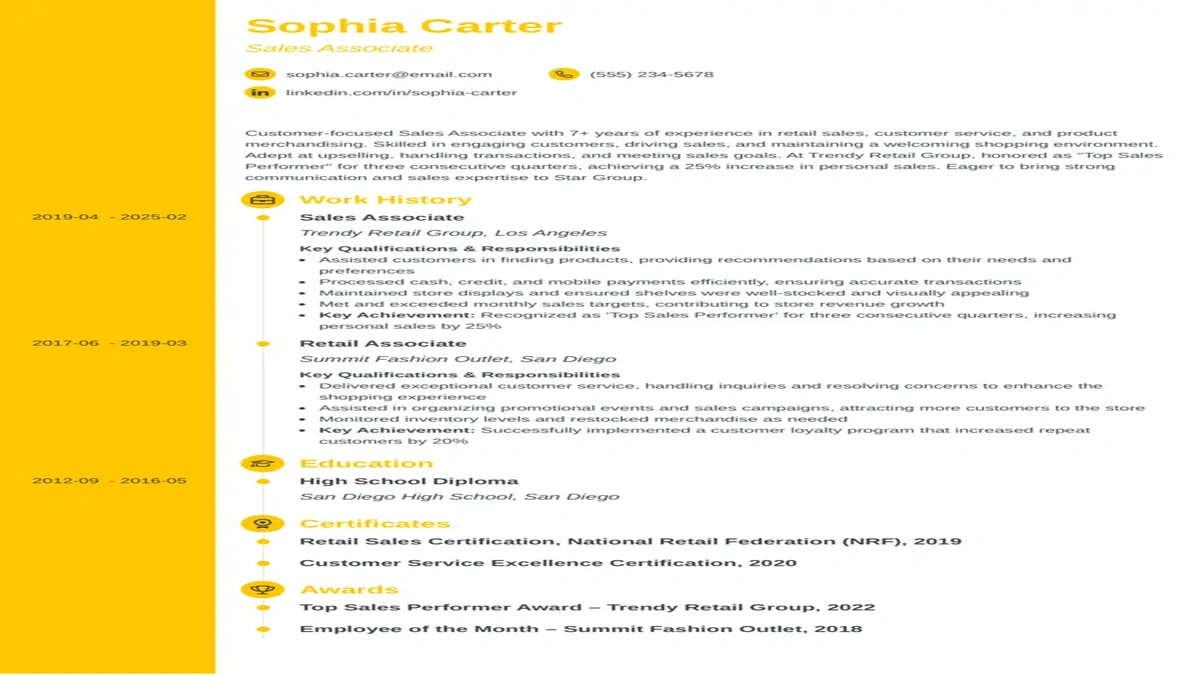
Let us look at what a winning resume actually looks like. To make your document stand out, you need to write it with the user in mind and in this case, the user is a stressed-out recruiter who spends an average of six seconds looking at a resume before deciding its fate. Yes, only six seconds. Here is how you capture their attention instantly with essential resume writing tips :
First, keep the header clean. Your name should be the biggest text on the page, followed by your contact information, LinkedIn profile link, and geographic location. Do not include your full home address or marital status it is outdated and takes up precious real estate. Next comes your professional summary. Forget the generic “hardworking professional seeking a challenging role” line. Instead, write a three-sentence hook that highlights your biggest achievements, your core skills, and what you can bring to the target company.
If you are struggling to structure your document, looking at authoritative standards can help. For instance, the guidelines fromHarvard Business School recruiting guidesemphasize keeping your formatting chronological, clear, and focused on tangible business results. This classic layout works universally because it respects the reader’s time and makes key information incredibly easy to find.
Second, prioritize your experience chronologically. This is where most candidates fail because they write about their daily responsibilities instead of their achievements. What fascinates me is how many people list duties like “Responsible for managing the sales database” instead of “Optimized the sales database to increase lead tracking efficiency by 25%.” Recruiters want to see the direct impact of your actions, not a copy-paste of your original job description.
Tailoring Your Strategy | Experience vs. Freshers
Depending on where you are in your career, your strategic approach will differ slightly. If you are fresh out of college, you are likely looking for a resume format for freshers . Since you do not have decades of corporate experience, your resume should place your education, technical projects, internships, and certifications at the very top. Focus heavily on academic achievements, coding bootcamps, or extra-curricular leadership positions that demonstrate your drive, adaptability, and work ethic.
On the flip side, if you are an experienced professional, your education should slide down to the bottom. Your primary focus must be demonstrating how you have met or exceeded hiring manager expectations in your previous roles. Use the “STAR” method (Situation, Task, Action, Result) to format your bullet points. This keeps your writing structured, objective, and deeply impactful. Every single bullet point under your work history should tell a tiny story of a problem you identified, the action you took, and the quantifiable result that followed. This instantly proves your value.
Remember, every single step in your professional growth from writing your very first CV to negotiating your final salary is part of a largercareer journeythat shapes your long-term success and professional identity.
Mastering the Language of Recruiters
When learning how to write a professional CV , language is your ultimate tool. You must replace passive, weak verbs with strong, active verbs that convey leadership and ownership. Instead of saying “helped the team with marketing campaigns,” use words like “spearheaded,” “engineered,” “negotiated,” or “cultivated.” This simple shift changes the entire perception of your capability and positions you as a driver of success rather than a passive observer.
Furthermore, you must execute a few vital job application tips to truly stand out. Never use a single, generic resume for every job you apply to. I know, it sounds incredibly tedious to edit your resume for every single application, but it is the only way to get consistent interviews in a competitive market. Spend ten minutes analyzing the job posting, highlighting the specific skills and keywords they mention, and weaving those exact terms naturally into your resume. It makes you look like the perfect fit who was custom-built for that exact role. It is about quality, not quantity.
Frequently Asked Questions
How long should my resume be?
For most professionals with less than 8-10 years of experience, a single-page resume is highly recommended. It forces you to keep your writing concise and highlights only your most impressive accomplishments. If you have extensive experience, a clean two-page resume is acceptable, but never go beyond that.
Should I include a photo on my resume?
In India, some recruiters do not mind a professional photo, but for most global roles and modern tech companies, it is best to avoid it. Photos can trigger unconscious bias and take up valuable space that could be used to detail your skills instead.
What file format should I use to send my resume?
Unless the job description specifically asks for a Word document, you should always submit your resume as a PDF. A PDF preserves your exact formatting, ensuring that the recruiter sees the document exactly as you designed it, regardless of the device they use to open it.
How far back should my work history go?
As a general rule, you should only include the last 10 to 15 years of your professional experience. Earlier roles can be summarized briefly or left out entirely if they are no longer relevant to the positions you are currently targeting.
Can I use Canva templates for my resume?
While Canva templates look visually stunning, many of them are not easily read by Applicant Tracking Systems. If you decide to use one, ensure it has a simple, single-column layout with standard text boxes so the system can parse your information without errors.