
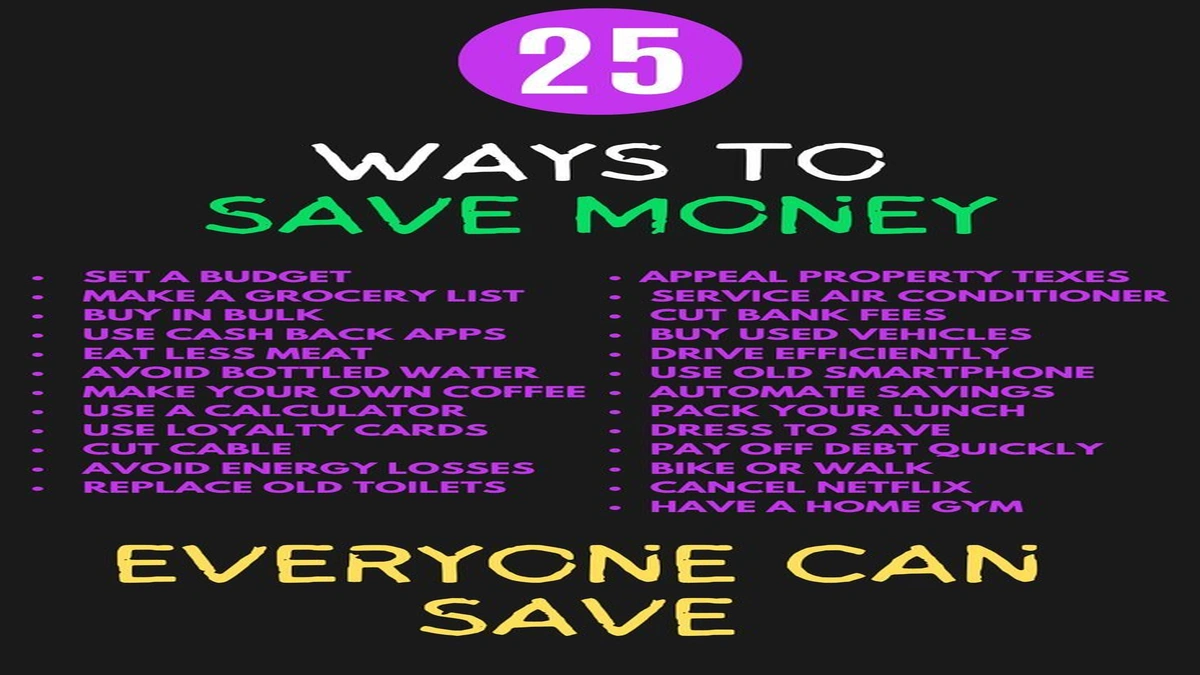
Let’s be honest for a second. Most personal finance advice you read online is written by people who don’t have to worry about the price of tomatoes or whether they can afford the auto-rickshaw fare home. They tell you to stop buying your daily coffee or to skip the occasional avocado toast. But what if you aren’t buying coffee or toast in the first place? What if you are already stretching every single rupee, and your bank account still looks like a ghost town by the 20th of the month?
I’ve been there. I know that suffocating feeling of living paycheck to paycheck , where a single medical emergency or a broken smartphone can throw your entire life off track. When you’re earning a modest salary in India, the idea of saving money fast feels less like a smart financial goal and more like a cruel joke.
But here is the truth: you can actually find hidden pockets of money, even when your income feels painfully low. It does not require a magical inheritance or living on instant noodles forever. It requires a shift in strategy, a few psychological tricks, and some hard-nosed adjustments. Let’s dive into a realistic guide on how to save money fast on a low income , written for real people who have bills to pay.
The “Inflow-Outflow” Illusion | Why Traditional Budgeting Fails You
When you start researching how to manage your cash flow, the first thing most experts tell you is to create a spreadsheet. They want you to track every single paisa. While that’s noble, let’s talk about why budgeting on a tight budget is so incredibly hard: it is emotionally exhausting. When you constantly have to say “no” to yourself for even the tiniest pleasures, your brain rebels. You end up binge-spending because you feel deprived.
Instead of trying to micromanage your misery, we need to focus on asymmetry. We need to look for big wins and structural changes that automate your savings before you even have a chance to spend them.
I used to think that to save more, I just had to try harder. I would tell myself, “This month, I’ll be disciplined.” Spoiler alert: it never worked. The moment I felt stressed after a long day at work, I would order food online, and boom there went my weekly savings. The breakthrough came when I realized that discipline is a finite resource. If you rely on willpower to save money, you will lose. You have to design a system where saving is the default setting, not a daily struggle. This is the cornerstone of sustainablepersonal financemanagement.
3 Micro-Habits to Instantly Cut Expenses This Week
We want fast results, right? If you need to build up cash quickly, you have to look at your outgoing transactions with a magnifying glass. Here are three high-impact, slightly unusual strategies to cut expenses without making your life completely joyless.
1. The “Pause and Sleep” Rule for Online Shopping
In the age of UPI and one-click checkouts, spending money has become entirely frictionless. You see a cool gadget on Amazon or a trendy outfit on Myntra, and within thirty seconds, your money is gone. To counter this, introduce deliberate friction.
Every time you want to buy something non-essential, you must wait exactly 48 hours. Put it in your cart, close the app, and walk away. You will find that in about 70% of cases, the urge to buy completely disappears by the second day. It’s a simple trick, but it can save you thousands of rupees every month.
2. audit Your Digital Subscriptions (The Silent Leaks)
We are being nickel-and-dimed to death by subscriptions. Rs 199 here, Rs 299 there it doesn’t feel like much, but it adds up to a massive leak in your boat. Go through your bank statement right now. Do you really need Netflix, Prime Video, Disney+ Hotstar, and Spotify Premium all at the same time? Pick one, cancel the rest, and rotate them if you have to. If you want to dive deeper into changing your relationship with money, check out thesepersonal finance habits save more moneythat actually work over the long term.
3. The “Kirana” Store Challenge
Grocery delivery apps are incredibly convenient, but they are designed to make you overspend. Between delivery fees, handling charges, and the clever placement of impulse items (like that artisanal chocolate you didn’t know you needed), you end up paying a 20-30% premium. For the next two weeks, delete those apps. Walk down to your local kirana store with a written list. Buy only what is on that list. You’ll be shocked at how much lower your weekly grocery bill becomes when you have to physically hand over cash or scan a UPI code while looking at a real human being.
How to Build an Emergency Fund When You’re Broke
Here is a harsh reality: if you do not have an emergency fund , any progress you make will be temporary. The moment your bike needs a major repair or you need to visit a dentist, you will be forced to put that expense on a credit card or borrow from a friend, pushing you right back into the cycle of debt.
But how do you build an emergency fund when you barely have enough to cover rent? You start ridiculously small.
Do not aim for a massive goal like three months of expenses right away. That feels impossible, so you won’t even try. Instead, aim for Rs 5,000. That is your shield. Once you hit Rs 5,000, aim for Rs 10,000.
To make this work, you must separate this money from your daily spending account. If you keep your savings in the same account you use for daily UPI scans, you will spend it. Open a separate, zero-balance savings account with a different bank ideally one that doesn’t even have a physical debit card that you carry in your wallet. Every time you get paid, immediately transfer Rs 500 or Rs 1,000 to this account. Treat this transfer like a bill that you absolutely have to pay. For a bit of perspective on starting simple journeys, you can read our introductoryhello worldpost where we discuss taking that very first step.
Mastering Frugal Living Without Sacrificing Your Social Life
There is a massive difference between being cheap and practicing frugal living tips . Being cheap means trying to spend the least amount of money possible at the expense of others. Being frugal means being highly intentional about your spending so you can redirect your hard-earned money toward the things that actually matter to you.
You don’t have to become a hermit. If your friends want to go out for an expensive dinner, you don’t have to decline and sit alone at home. Suggest an alternative. Instead of meeting at a pricey cafe, suggest a walk in a nearby park, or host a potluck at home where everyone brings one simple dish. You’ll find that most of your friends are actually relieved to save some money too they were just waiting for someone else to make the first move.
What fascinates me is how much we spend to project an image of success to people we don’t even like. Once you let go of the need to impress others with your clothes, your phone, or your weekend plans, a strange thing happens: you suddenly find yourself with a surplus of cash at the end of the month. You learn how to build savings not by depriving yourself, but by choosing freedom over temporary status symbols.
Frequently Asked Questions
Is it actually possible to save money on a tight budget?
Yes, absolutely. The secret is to stop focusing on huge, overwhelming goals and start automating tiny amounts. Even saving Rs 50 a day adds up to Rs 1,500 a month, which is a fantastic starting point for building financial confidence.
Should I pay off my debts first or try to save money?
If you have high-interest debt (like credit cards or informal loans), you should prioritize paying that off because the interest will eat up any savings you make. However, you should still try to build a tiny safety net of Rs 5,000 first so you don’t have to take on new debt when an unexpected expense pops up.
What is the easiest way to cut expenses immediately?
The fastest way to cut expenses is to audit your bank statements for recurring digital subscriptions and switch from using instant grocery/food delivery apps to shopping at local physical stores. This eliminates hidden convenience fees and impulse purchases.
How do I stay motivated when my progress feels so slow?
Remember that saving money is a muscle. In the beginning, your savings account won’t look impressive, and that can be discouraging. Focus on the habit rather than the amount. Knowing that you have the discipline to save consistently is a huge psychological win that will pay off when your income increases.
The Final Insight | Your Income is Only Half the Equation
At the end of the day, learning how to save money fast on a low income is not just about cutting back on your lifestyle. There is a hard limit to how much you can cut. You cannot cut your rent to zero, and you cannot stop eating.
While you are working hard to optimize your expenses and manage a tight budget , remember that the ultimate way to change your financial trajectory is to increase your income. Use some of the mental energy you save by automating your finances to learn a new skill, take on a side hustle, or position yourself for a promotion. Saving keeps you afloat during the tough times, but increasing your earning potential is what will ultimately set you free. Start small, be kind to yourself, and remember that financial peace of mind is built one tiny choice at a time.